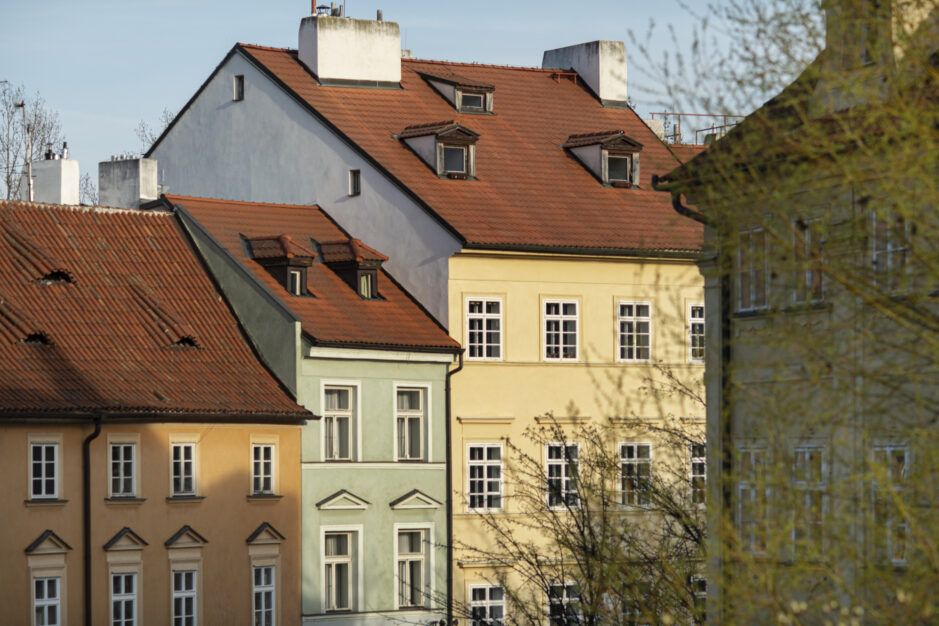

If you’ve ever dreamed of living in Germany, you’re not alone. The rich tapestry of culture, the picturesque landscapes, and the promise of a well-organized and vibrant lifestyle make it a sought-after destination. However, the dream of living in a new country comes with the practicalities of daily life, and one of the first questions that often arises is, ‘What will it cost?’.
The Average Cost of Living

The average cost of living in Germany typically ranges between 1,000 to 3,000 euros per month. This variation is influenced by factors such as your lifestyle, the city you choose to live in, and the size of your family. It’s crucial to break down these costs to understand the financial landscape you’ll be navigating.
Housing Costs: Where You Live Matters

Housing is a significant component of your monthly expenses. Cities like Munich and Stuttgart are known to be on the higher end, while Berlin has seen a recent surge in rent prices. On average, you might encounter:
- 850 euros for a 1-bedroom apartment in the city center.
- 633 euros for the same 1-bedroom apartment outside the city center.
- 1,560 euros for a 3-bedroom apartment in the city center.
- 1,180 euros for the same 3-bedroom apartment outside the city center.
Additionally, it’s essential to consider utilities, internet, and other related costs, which can range from 30 to 50 euros for internet and 50 to 150 euros for electricity.
Transportation

Getting around in Germany offers various options. If you’re a fan of cycling, it’s not only healthy but also cost-effective. Public transportation is well-developed, with a monthly pass costing around 49 euros for local transportation.
Owning a car, while convenient, comes with additional expenses. The monthly cost of petrol is estimated to be around 125 euros, considering average consumption. If you prefer not to own a car, renting for a weekend can be as affordable as 60 euros.
Food Costs

Your monthly grocery bill will depend on factors like family size, dietary preferences, and where you shop. Budget-friendly supermarkets like Aldi, Lidl, and Netto offer good-quality products at reasonable prices. For a family of two non-vegetarian adults, an average of 150 euros per week for groceries is a reasonable estimate.
Eating out is a delightful part of German culture. Prices range from 10 euros for a pizza at a local shop to 20-30 euros per person at a mid-range restaurant. Don’t forget to budget for the iconic German beers, which can range from 2.5 to 6 euros, depending on the location.
Navigating Finances: Banks and Taxes

Opening a bank account in Germany is generally free, but some banks might charge a monthly fee if your salary isn’t transferred to the account. Credit card fees can vary, so it’s essential to explore your options.
Germany’s tax system is robust, with deductions for income tax, health insurance, pension, unemployment support, long-term care insurance, and, if applicable, church tax. The percentage of taxes ranges between 14% and 42%, with higher rates for higher incomes.
Protecting Your Castle: Insurances

Germans value their insurances, and it’s advisable to consider several types:
- Liability Insurance (Haftpflichtversicherung): Covers damages to other property or people, ranging from 30 to 150 euros per year.
- Home Contents Insurance (Hausratversicherung): Protects against damages in your flat, with costs between 50 to 150 euros per year.
- Legal Insurance (Rechtsschutz): Useful in legal disputes, with prices ranging from 200 to 450 euros per year.
- Car Insurance (Kfz-Versicherung): Mandatory for car owners, with fully comprehensive cover averaging 600-700 euros per year.
- Income Protection Insurance (Berufsunfähigkeits-Versicherung): Protects against long-term inability to work due to illness or disability, with costs varying based on factors like age and coverage.
Other Considerations
Beyond the essentials, there are additional costs to consider:
- Going to the movies can cost between 11 to 17 euros.
- A gym membership can range from 15 to 40 euros per month.
- The cost of a haircut depends on factors like hair length and salon type, ranging from 30 to 50 euros.
Conclusion
Living in Germany is a dream for many, and while it comes with its costs, the high standard of living, efficient public services, and diverse cultural experiences make it a dream worth pursuing. Understanding the financial landscape allows you to plan effectively and fully embrace the dream of living in this enchanting country.